
Brick Tiles
Refine Search
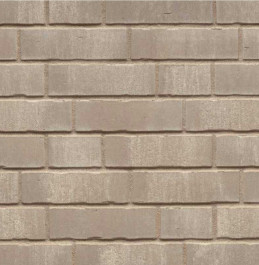
Clinker tiles for façades and indoors
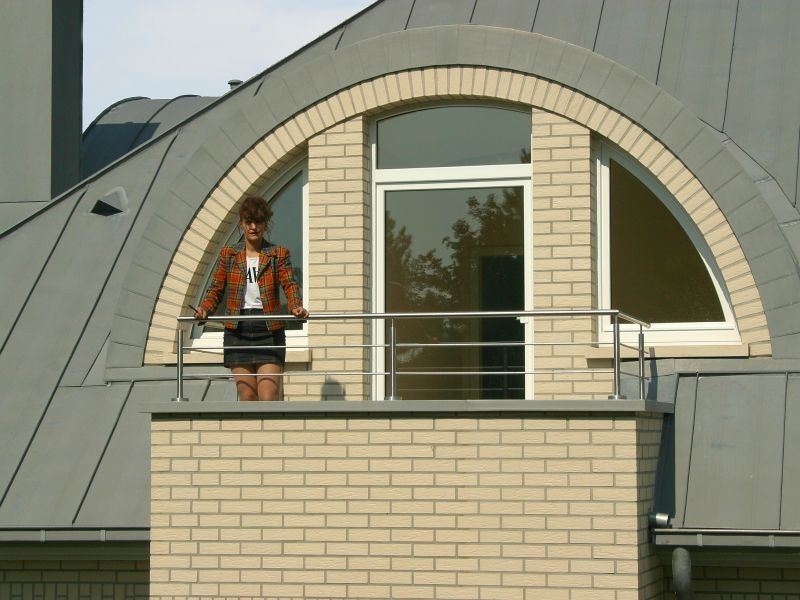
Brick tiles as the decorative cover of the façade is an ancient and traditional material across Europe that has been used in construction for centuries. This material is highly popular in Germany, Belgium and Netherlands. When taking a walk through a city in Germany, you will see that almost all houses have clinker brick façades. German façade clinker has earned the love of designers as well as the end users, thanks to its good appearance, availability in a wide variety of textures and colors, as well as the opportunity to create interesting combinations of texture and color. Nowadays in order to make brick façades, one is not required to use clinker ceramic bricks, which are not always suitable due to the cost or construction difficulties. Thus it is increasingly popular to use clinker brick tiles instead. A brick tile is a wall tile which imitates decorative bricks and a non-specialist would not be able to tell whether the wall is made from brick tiles or from actual bricks. Façade brick tiles are made in the same manner and from the same material as the clinker bricks and retain the same qualities as the bricks which they were made from.
Clinker
Clicker is a type of clay ceramic virtually containing no additives. Thanks to the nature of the clay and continuous optimization of the production, clicker brick tiles are a modern and environmentally friendly material. Clay without lime impurities is required for manufacturing of quality clinker products and such clay is available in Germany and the Lowland Countries. For this reason, in these European countries the use of clinker in house decoration and industrial manufacturing of the material has developed significantly over the course of centuries. Such factories as Feldhaus Klinker and Nelissen have more than a hundred years of experience in production of clinker materials. Clinker brick tile manufacturing technology is simple, but it entails the experience accumulated over centuries allowing to reach a high production quality.
Clinker material manufacturing
Manufacturing begins with mixing of various shades of clay. Depending on the required color of the brick tile, clays of various colors are mixed in respective proportions. After mixing, a uniform consistency is attained and then the product is being formed. After that the material is cured for 2 - 3 days so that the water would evaporate. Curing is followed by the next technological phase in which clay turns into the material that is so familiar to us - clinker - and this phase involves burning. In special tunnel type furnaces the length of which exceeds a hundred meters, burning is performed over a course of three days. Burning temperature reaches up to 1200 degrees. In this process, changes take place in the molecular structure of the clay and it obtains new physical qualities. Water absorption capacity for clinker tiles ranges from 0.05 - 6% and it averages at 2%.
Façades for brick tiles
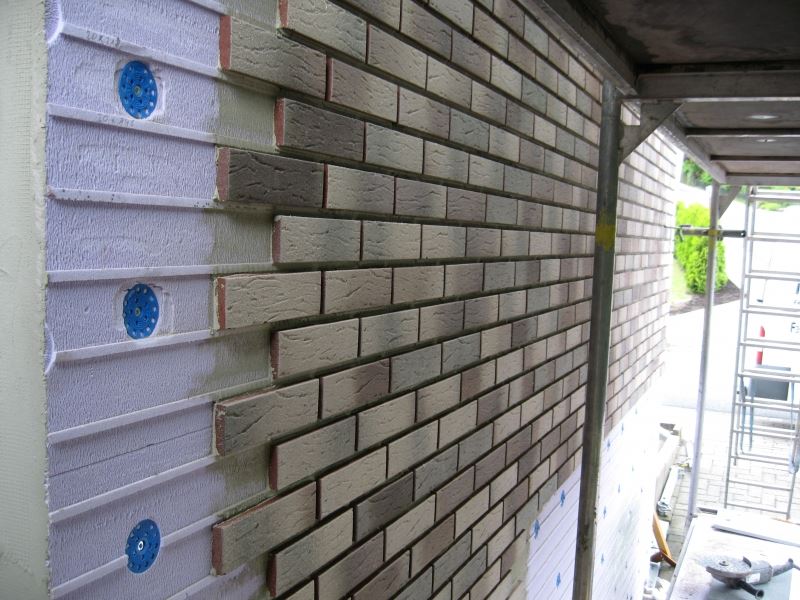
Apart from surface tiles, there are also corner tiles. The use of corner tiles allows for an easier tiling process and thus a complete brick mason appearance is attained. It is required to insulate the house and our product offer includes heat insulation sheets with grooves at the height of clinker tiles thus simplifying tile assembly. These insulation sheets are available in various materials and thickness.
First of all, the heat insulation sheet is attached to the building, then the brick
tiles are put into the grooves and the seams are filled with the classic gray or
another color of the jointing material. As a result, the house gets insulated, as
well as a it receives the exterior of a beautiful brick house, that does not requiring
special façade maintenance.
The brick tiles are frost resistant. The combined heat insulation system and façade
brick tiles ensure optimum protection of the structure from the effects of the external
environment. Professional and quality processed façades covered by clinker brick
tiles and corner tiles are identical to clinker brick mason work as to an untrained
eye cannot tell them apart. Thus the value of the renovated building is increased.
In conjunction with glass, wood or steel structures, it is possible to create real
façade architecture master pieces. Clinker brick tiles are becoming increasingly
popular in the new residential building designs. Upon estimating the cost, one has
to consider the fact that clinker wall brick tiles do not become covered in moss
and are easily washed. Even the curse of modern urban environment façades - graffiti
may be removed with fairly simple means. Such façades will not blemish and shall
retain their elegant tile appearance during the entire time of use.
Brick tiles as a design element
Brick tiles look great both in house façades as well as a part
of the interior. Depending on your façade or interior design, you can provide your
home with an ancient appearance with the use of aged tiles or retro brick tiles,
as well as with classic brick tiles. You can also create modern and elegant walls
with the use of long series façade tiles. Interesting design accents that underline
the individuality of the house may be attained with the used of glazed brick tiles.
Wall tiles imitate the surface of a stone providing the house with a solid and serious
appearance. All our brick tiles are suitable for the use of house façades in our
climate conditions and the more than hundred years of experience of the manufacturers
is a guarantee of high quality.


When purchasing brick tiles
One must first calculate the necessary amount of brick tiles.
Surface brick tiles are sold in square meters while corner clinker brick tiles are
sold in pieces. Wall brick tile area also includes the space for the seam. The colour
nuances of Feldhaus Klinker resembles the bricks manufactured by the company,
nevertheless both are produced separately. While Stroher produces only brick tiles
and no bricks, Nelissen produces aged façade bricks which are then cut for
the use with brick tiles. This technology allows manufacturers to achive the same
colour for the tile as it is for the brick. Why use façade tiles instead of decorative
bricks? Reasons may be different Wall tiles are cheaper and one does not require
additional foundation.
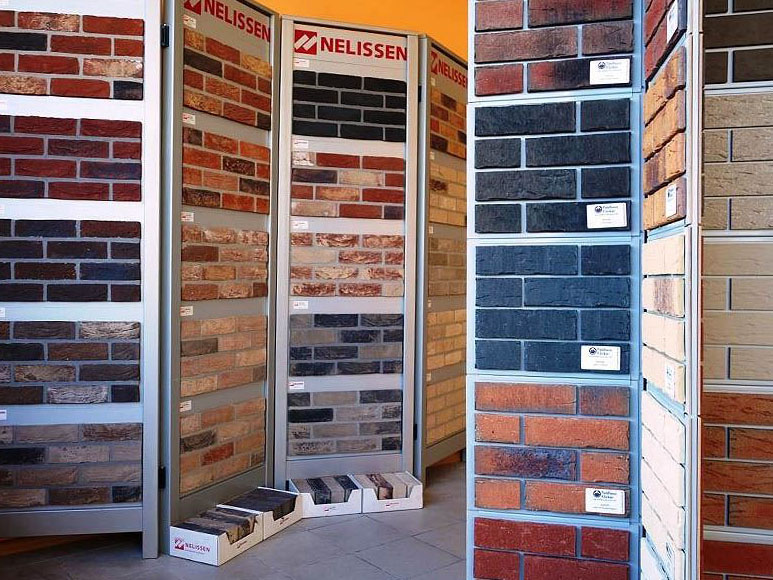


Clinker façade colour
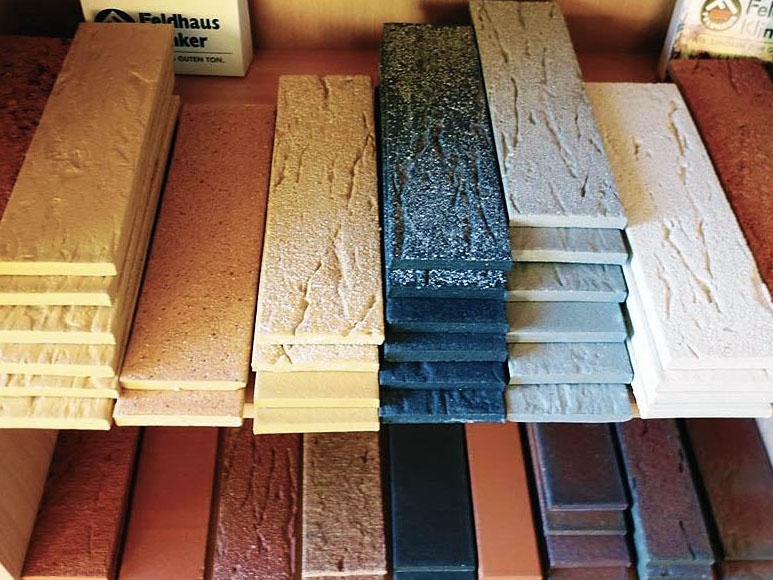
In the natural light, clinker tiles differ from the color in which we see the brick tiles in artificial lighting, paper catalog or on a computer screen. Thus our office allows taking the tile sample outdoor in order to test the color of the tile in actual daylight. Also the effect created by various tile surface textures may not be understood when looking at a catalog or a computer screen. In spite of the strict manufacturing process control, the color of the tiles after burning might slightly differ from the existing sample color. In this case, the produced batch would be written off as defective and sold at a considerably cheaper price. Manufacturers inform us on the availability of such tiles in its warehouse and we will put it under our special offers, but when purchasing these tiles, one must understand that it will not be possible to buy an additional amount of these tiles later on. In the technological course, corner tiles are burned separately from the surface ones and thus they sometimes slightly differ in color.
There are several different types of tiles available, ranging from classic brick
tiles, retro brick tiles, long brick tiles, wall clinker tiles, aged clinker tiles
and glazed brick tiles. We have divided our wall clinker tiles for use in façade
and interior. This, however, is a conditional division because no type of clinker
tile may be attributed specifically to one of the groups. Wall clinker tiles may
be glazed but in size do not resemble a brick but rather a cut stone block. If these
would be referred to as stone tiles then the buyer could be mislead because the
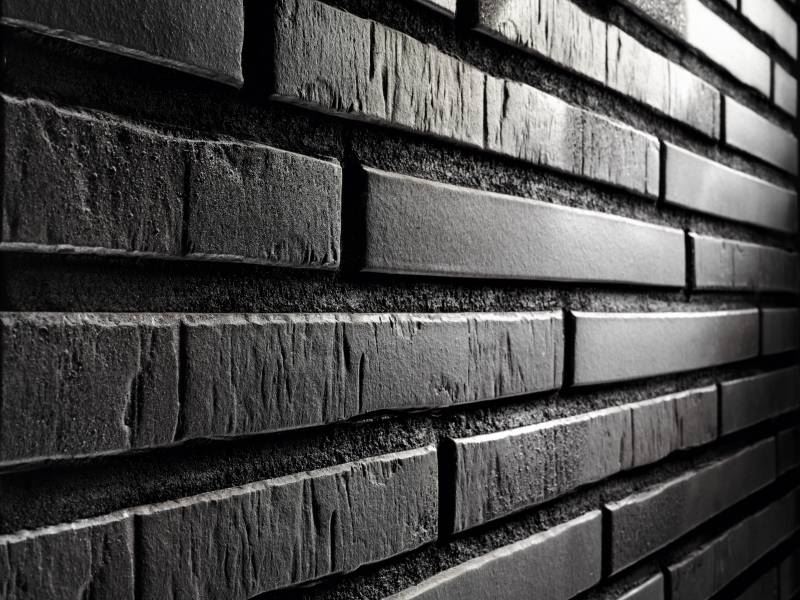
substrate is not stone, but rather clinker. Also long wall clinker tiles could resemble
both classic and retro clinker tile surfaces. Long tiles are different from the
size of the classic brick - its format is distinctly modern. These tiles are very
popular among designers for the use of modern architectural shape buildings.
Last year's sales hit in Europe were the black long façade clinker tiles. Aged façade
in brick tiles are only offered by Nelissen, nevertheless some other manufacturers
consider their tile series to be aged too. We included these series with retro brick
tiles because of the differing material structure from that of Nelissen aged tiles,
which seem to be cut from centuries old bricks. This sensation is created by the
presence of sand in Nelissen tiles and bricks. In order to find the suitable clinker
tiles, one must see them in person and under natural lighting. The wall clinker
tile groups may be safely used in our region. It is determined not only by the quality
material but also by the thickness of clinker tiles. There is a saying, the one
who is greedy shall pay twice. Even if the selected tiles are clinker tiles, they
should not be used for outdoors, if intended for indoors.
Brick tile assembly
Façade quality is determined by the materials used. One cannot
blame assembly crew for the fact that tiles gradually fall off the wall, if one
has purchased thin, inferior material tiles from an unknown material. At the same
time, even if you use high quality German clinker brick tiles, but the assembly
is performed negligently - the result may not be satisfactory. For example, it is
not permitted that the tiles are assembled during wet and rainy season. Spacers
may be used for brick tile assembly. The 10mm thick spacers are used to mimic the
appearance of the brick wall, thus obtaining 10 - 12 mm wide seams. The second method
in ensuring the width of the seams is the use of special heat insulation sheets
with gluing grooves. The sheets are used if one needs to insulate the house additionally.
Sheets are made from a variety of materials and are available in various thickness.
Sheets are attached to the wall of the building and brick tiles are glued in the
grooves. There are companies out there that already glue brick tiles from various
manufacturers into their sheets in industrial environments and sell their isolation
sheets together with the brick tiles. More information about such materials is available
under "heat insulation".


Seam filling
Seam filling is an important step in creating a brick tile wall. First of all, the preparation of the filling mass is performed. The dry filling material is mixed with clean water until a "wet/semi-wet, crumbling into pieces" consistency is obtained (instruction on the package must be followed to the point). When using only a part of package contents, it is desired to use a water vessel with water volume markings. This will always allow to obtain a similar moisture content filling mass which is important in attaining the right color of the seam. The prepared mass must be used as soon as possible, but no later than indicated on the package. During the filling, the moisture of the mixture must be maintained at a constant level. The filling material remaining after the work shall crumble nicely along the filled wall (The clean, crumbled mass can be collected and used again if it has not dried, thus saving the filling material consumption).
Upon filling seams, one may not permit the filling material to settle on the material
outside the seams. Seams are filled up to the surface level of the tiles. When filling
a façade wall, first of all the horizontal seams are filled and only then the vertical
ones are filled, provided that the horizontal seams are still wet. Filled seams
finally are evened out in the single direction - from right to left or from left
to right (in order for the shade of the seam would be vary upon reflection of daylight).
Seam cleaning may be performed only after filling of the seams when they have slightly
cured. Brick tile surface must be cleaned immediately with a semi-dry brush. In
order to improve seam hardening during dry season, a light wetting of the surface
is permitted. Intensive water load (like rainwater or shower from a hose) on seams
is only permitted no earlier than two weeks after closing of the seams. In the event
that the filling material smears on the outer surface of the brick tiles, the wall
must be cleaned with a dry, sharp plastic brush as soon as the filler has slightly
dried but not when the mixture has fully hardened. Tile cleaning is not a desirable
process and one must try to avoid from practices that necessitate it. During the
first week, tiles are cleaned with pure water, while making sure that the seams
are not dripping. However, if hardened filling material spots have remained on the
brick tile surface then after 4 weeks cleaning is permitted with "Knauf Klinker
und Stein", "Reiniger" or "Zementschleierentferner" in line with the instruction
for use (solutions are intended for cleaning of cement mixtures). It is desired
to test the seam filling in a less important part of the surface in order to test
for pigmentation risk in the porous surface of the brick tile in case of smearing
and to test the use of the brush for cleaning of seam areas. Inconsistent moisture
in the filling mixture may cause color differences in the seams. Fresh seams may
not be subject to rain, direct sun rays, draft wind and strong direct wind.